
THIS WAS ALL REVOKED! Here was our story on it when it happened…

How the Edibles Ban Took Everyone by Surprise in South Africa
The national conversation around cannabis took a significant turn in 2018 when the Constitutional Court decriminalized the personal use of marijuana in private spaces. For many, this milestone appeared to pave the way for broader acceptance—and eventually commercial opportunities—for cannabis products. Entrepreneurs, investors, and consumers embraced the budding sector enthusiastically, particularly in the realm of THC & CBD Edibles.
Mounting Optimism, Then Abrupt Reversal
- Rising Social Acceptance
Surveys from 2018 onward showed that a growing portion of the South African public was open to regulated cannabis use. - Investment Influx
Both local and international investors began pouring capital into cannabis farms, dispensaries, and ancillary businesses focusing on CBD Oil and edibles. - Entrepreneurial Wave
Small-scale bakeries, cafes, and confectioners introduced new lines of infused brownies, cookies, gummies, and chocolates to cater to an emerging demographic seeking alternatives to smoking.
Then, without the structured rollout many anticipated, the Department of Health released a directive banning edibles containing THC. The suddenness of this move left both the industry and the public uncertain about the legal boundaries and practical implications of the ban. One thing that seems true: Edibles Are Now Illegal in South Africa.
Examining the Scope of the Edible Cannabis Prohibition in South Africa
Under the new prohibition, food and beverage products that include THC in any form are no longer legal to produce, sell, or distribute. This blanket ban covers an array of items:
- Confections and Baked Goods
Brownies, cookies, pastries, and all other sweets infused with THC-laden oil or butter. - Sweets and Gummies
Chewy candies, lollipops, and other confections containing THC. - Drinks and Tonics
Teas, coffees, sodas, alcoholic beverages, or any consumable liquids that include THC extracts. - Other Infused Edibles
Chocolate bars, sauces, spreads, and even savory dishes—if THC is present, it falls under the ban.
How is CBD Effected in the Edibles Ban?
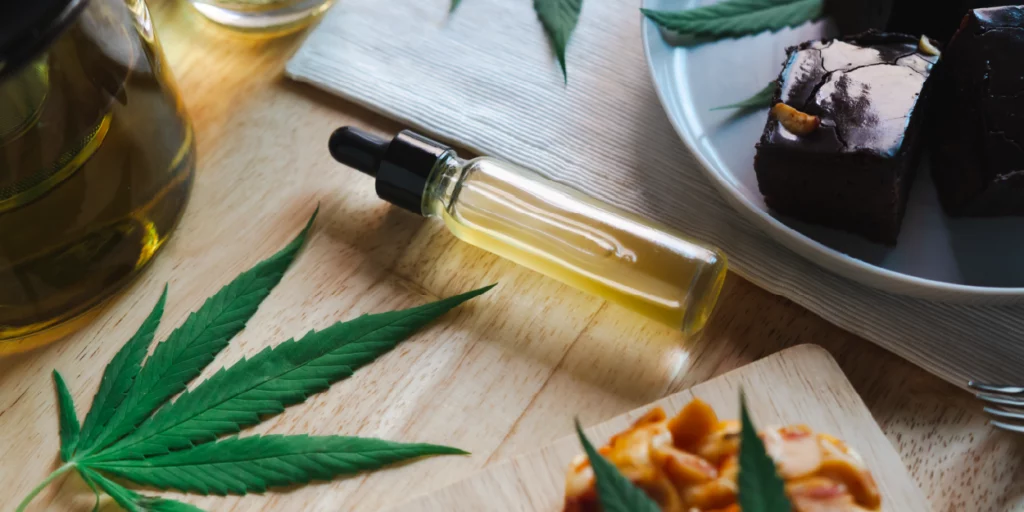
Despite the primary focus on THC, the ban’s language is sufficiently vague to sow confusion regarding CBD products. Since some CBD Oil formulations contain trace amounts of THC, retailers must tread carefully to ensure products do not exceed legal thresholds. Many businesses have halted the sale of CBD Edibles entirely until further clarifications are issued, hoping to avoid any unintended violations. Edibles Are Now Illegal in South Africa.
Unraveling the Reasons Behind the Government’s Decision
It might seem contradictory that after legalizing personal cultivation and consumption of cannabis for private use, the state would clamp down on edibles. Yet, several overlapping factors appear to have driven this decision:
- Concerns About Child Safety
Edibles often resemble typical snacks or candies, making them potentially more accessible to minors who might mistake them for regular treats. - Unregulated Market Risks
Without a formal regulatory framework, the government is wary of uncontrolled THC levels, inconsistent labeling, and possible health hazards for consumers. - Pressure from International Conventions
Global treaties still view THC as a restricted substance. South Africa may be balancing its domestic policies against international obligations. - Public Health and Social Conservatism
Large segments of the population and certain political factions remain skeptical about mainstreaming cannabis. Their influence likely factors into any regulatory actions.
The main question we are all asking ourselves is: “Why Make Edibles Illegal Now?”
The abrupt timing could be attributed to a desire to prevent a booming market from outpacing the creation of robust guidelines. Government officials have cited the need to “protect public health and curb misuse” pending a comprehensive regulatory framework. Unfortunately, this interim solution has left entrepreneurs, consumers, and the broader industry in disarray.
Mixed Messages from Officials: Inconsistencies in Policy
The discrepancy between personal legalization and commercial prohibition has created an environment of legal ambivalence. On the one hand, South Africans can legally grow and consume cannabis in private. On the other hand, edibles—often deemed a “safer alternative” to smoking—are no longer permitted for sale.
The Unclear Legal Cannabis Frontiers
• Home-Grown But Not Sold
Individuals can legally cultivate cannabis, but the moment a product—particularly a THC-infused edible—enters a commercial space, it faces a legal blockade.
• CBD Versus THC
Even though CBD Oil is widely regarded for therapeutic uses, any product that potentially includes even minimal THC is at risk under the new ban.
• Undefined THC Threshold
The government has not laid out explicit guidelines for acceptable THC levels in edibles, other than near-zero mandates. This leaves retailers guessing and fearful of violating unclear regulations.
Has Cannabis Edibles Ban Put Industry in a Limbo
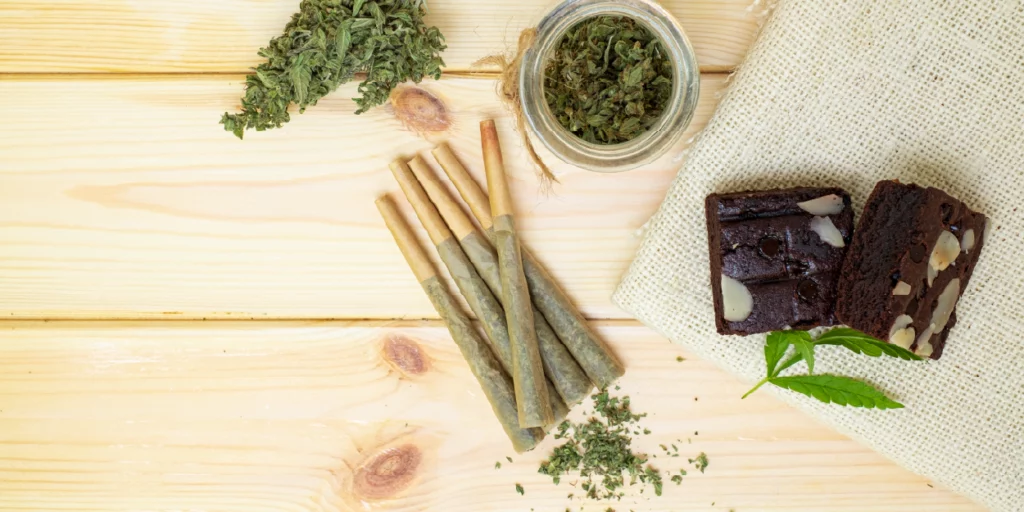
This duality has placed the cannabis community in an awkward position: personal consumption is recognized as a right, but the community’s entrepreneurial potential—particularly regarding THC & CBD Edibles—is stifled. Such a fragmented approach can hamper the growth of a legitimate industry while inadvertently driving consumers toward unregulated markets.
How the Cannabis Industry Reacted: Distrust and Disillusionment
The swift and all-encompassing nature of the ban has sparked widespread concern across the cannabis ecosystem—manufacturers, retailers, investors, and end-users alike.
- Small Businesses
Many artisans and entrepreneurs had launched specialized product lines, investing in branding, marketing, and specialized equipment. With one directive, they now face the prospect of shutting down or radically pivoting. - Retail Shops and Dispensaries
Cannabis retailers spent months perfecting inventory that catered to rising consumer demand for edibles. Suddenly, they are forced to remove entire product categories from shelves, absorbing heavy financial losses. - Consumers Seeking Alternatives
For those who rely on THC & CBD Edibles—be it for medical or recreational reasons—the ban complicates access and may push individuals back to smoking or into the black market.
What does the Cannabis Industry have to say?
• “We put everything into this edible venture—equipment, staff, and quality sourcing. One day it was fine; the next, it’s all illegal.” – Small bakery owner in Johannesburg
• “It feels like a step backward. Edibles are a discreet way to consume cannabis, yet the government is making them even harder to obtain than before.” – A Cape Town cannabis advocate
These testimonials reflect an industry on the brink—uncertain about short-term survival and long-term opportunities.
Understanding the New Legal Cannabis Framework and Penalties
Complying with the South African Government Bans Edibles directive is now crucial to avoid facing legal repercussions. Here’s how the ban manifests in legal terms:
- Commercial Violation
Any entity found manufacturing, selling, or distributing THC-infused edibles risks significant fines and, in extreme cases, jail time. The scale of penalties often correlates with the volume of goods involved. - Possession Considerations
While private possession of cannabis for personal use was decriminalized, edibles are a murky area. Large quantities could be interpreted as an intent to distribute, possibly opening one up to prosecution. - Ambiguity for CBD
Retailers selling CBD Edibles must ensure THC content is virtually non-existent and be prepared to show lab test results. Failing to do so could lead to enforcement actions by authorities.
Are There Any Loopholes?
The government has signaled that “relabeling” or “repackaging” to hide THC content will not be tolerated. In other words, any attempt to skirt the law by misrepresentation is treated as a direct violation. This leaves businesses contemplating either halting operations or pivoting to CBD-only offerings, provided they can verify negligible THC levels.
How Cannabis Businesses Can Adapt and Survive
For entrepreneurs who have staked their livelihood on THC & CBD Edibles, the path forward may involve strategic pivots and proactive legal compliance.
- Consult with Legal Experts
Cannabis-focused attorneys can help interpret the legislation, ensuring you remain within legal bounds. Detailed guidance may also cover how to navigate future regulatory shifts if and when they happen. - Audit Product Lines
If your product mix includes both THC and CBD, phase out or pause production on THC-infused items until clearer guidelines emerge. Where possible, emphasize strictly CBD Oil offerings, supported by verifiable lab results to show compliance. - Educate Your Team and Clientele
Transparency can mitigate confusion. Hosting workshops or publishing FAQs helps employees and customers grasp the implications of the ban, ensuring everyone understands the dos and don’ts. - Maintain Documentation
Keep meticulous records of sourcing, production methods, and laboratory testing. In the event of an audit, having airtight documentation can be a defense against alleged non-compliance. - Unite with Industry Peers
Joining cannabis industry groups, collectives, or advocacy coalitions can amplify your voice when addressing lawmakers. A unified effort often has more success in lobbying for reasonable regulations.
Projecting the Future of Cannabis Legislation in South Africa
With the legal status of THC & CBD Edibles (Edibles Are Now Illegal in South Africa) now in flux, several scenarios may unfold:
- Introduction of a Regulatory Framework
The government may issue structured rules for the production, labeling, and sale of edibles. Such a framework could re-legalize edibles under strict guidelines to ensure public safety. - Judicial Challenges
Interested stakeholders—be they activists or business owners—might challenge the ban, invoking the 2018 Constitutional Court ruling. Success in court could reconfigure the legality of edibles once again. - Selective Licensing
Another pathway could involve a licensing system akin to international models, where only approved producers can create and sell THC-infused edibles under controlled conditions.
What has Happened Overseas with Cannabis Edibles?
Countries like Canada and various U.S. states show that legalized edibles can thrive under robust regulations. Child-proof packaging, transparent labeling, and dosage limits are standard internationally. If South Africa adopts similar measures, the local edibles market could rebound, offering both consumer safety and commercial opportunities.
How can you make a difference?
Disagreeing with the ban or seeking clearer regulations? Here’s how to engage:
• Reach Out to Policy Makers
Writing to your local representatives or relevant government departments can underscore public sentiment on this issue.
• Support Advocacy Efforts
Sign up with cannabis reform groups that are actively voicing concerns on behalf of businesses and consumers.
• Harness Social Media
Online platforms can spread awareness quickly. Share news updates, petitions, and personal stories to engage a broader audience in the debate.
The Power of Collective Influence
South Africans have historically wielded significant power in shaping policy through peaceful protest and active civic participation. As public pressure mounts, lawmakers may see the value in taking a more balanced approach to cannabis regulation—especially if it promotes economic growth while maintaining safety standards.
Conclusion
The South African Government Bans Edibles announcement has been a jarring development in a cannabis market that, until recently, seemed on the verge of rapid expansion. Rooted in health concerns, regulatory gaps, and political undercurrents, the ban complicates an already complex cannabis landscape where personal consumption is decriminalized, yet commercial avenues are tightly restricted.
For consumers who prefer ingestible cannabis over smoking—and for businesses that have poured resources into THC & CBD Edibles—the future hangs in the balance. However, this juncture can also serve as a rallying point for activists and industry leaders to push for comprehensive, well-considered policies that protect consumers and foster legitimate business growth.
Subscribe
Ready to stay informed about South Africa’s rapidly evolving cannabis laws & so much more? Sign up for the Juicy Clones newsletter! Subscribe now to join a growing community determined to shape the future of THC & CBD Edibles in our country!
FAQ
- Are all edibles now prohibited in South Africa?
Yes, the new directive specifically bans THC-infused food and drink products, rendering them illegal to produce, sell, or distribute. CBD-only items with negligible THC content might still be permissible, but the regulations remain vague. Edibles Are Now Illegal in South Africa - Does this ban affect personal cannabis use?
The 2018 Constitutional Court ruling still permits individuals to cultivate and consume cannabis in private. However, if you’re found producing or possessing large quantities of edibles, authorities may assume intent to distribute, which is illegal. - Is it possible the government will reverse or revise the ban?
Future developments are uncertain. The government could draft a more precise regulatory framework, or the ban may face legal challenges. Staying engaged with updates from industry groups, legal professionals, and advocacy organizations is crucial to understanding where the law might be headed. One thing that seems true: Edibles Are Now Illegal in South Africa.