
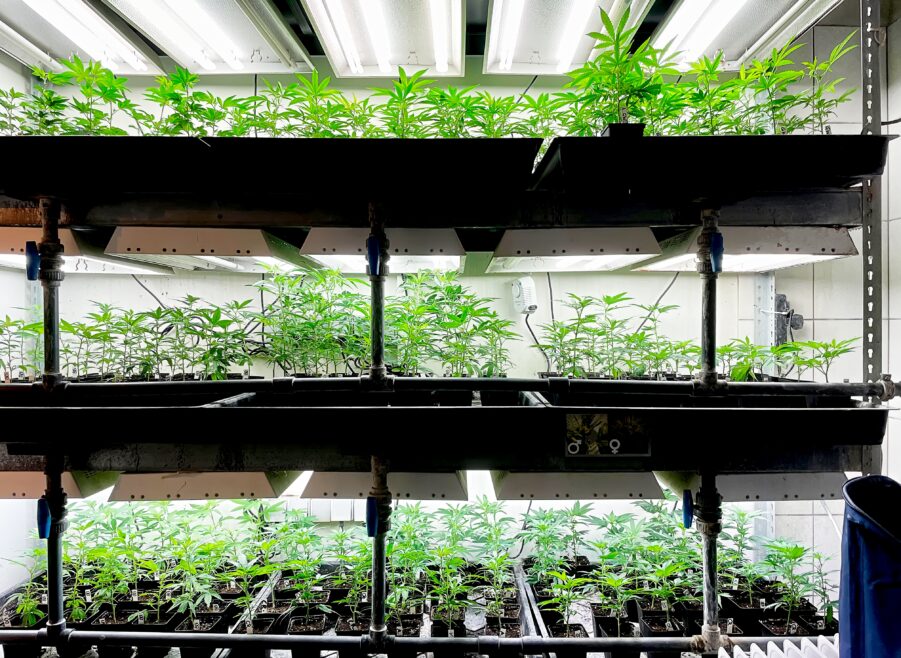
A cannabis clone bank helps South African home growers get consistent, proven genetics without the guesswork of seeds. The right clone source focuses on clean stock, rooted plants, and delivery that keeps clones alive – plus clear aftercare so you don’t lose a plant the moment it arrives.
Topics Of Conversation
- What a “clone bank” means in SA
- How clone ordering works (legality + expectations)
- Quality: verified genetics vs “random cuts”
- Delivery + first-day care basics
What A “Clone Bank” Means In SA
When South African growers hear “clone bank”, it can sound like a vault full of secret strains and hype names. In reality, a clone bank is simply a reliable source of living plant genetics – kept as mother plants and propagated into rooted cannabis clones.
A good clone bank is not a “plug”. It’s not a roulette wheel. And it’s definitely not “trust me, bro” genetics.
Think of it like this: seeds can be amazing, but they’re variable. Even if the breeder is reputable, you can still get different expressions (phenotypes) from the same pack. Clones are different: you’re getting a genetic copy of a selected plant – so you’re buying predictability.
And yes, you’ll see a lot of names being thrown around online – The Clone Club, Potted, Canna Cuts, Dank Street. The labels matter less than the fundamentals: clean stock, stable genetics, strong roots, and shipping that doesn’t arrive looking like it went through a boxing match.
If you’re here because you want to start with proven, rooted plants instead of hoping your seed run hits the jackpot, you’re in the right place.
How Clone Ordering Works: Legality + Expectations
Before we talk shopping, let’s deal with the question every SA grower asks first (usually in the DMs): “Is this actually legal?”
South Africa’s legal framework around private cannabis use has been evolving. The Cannabis for Private Use Act is the key reference point for private use and related rules, and government has also published information about draft regulations under that Act. Read the official sources directly here: Cannabis for Private Use Act and draft regulations under cannabis.
What this means for you as a home grower in plain language:
- You should treat clones as living plants intended for private cultivation.
- You should be careful with public display, transport habits, and sharing – because rules and enforcement can be uneven while regulations are debated and clarified.
- If you’re unsure, follow official updates rather than social media “legal takes”.
Now, practical expectations (the stuff that actually affects whether your clone survives):
- Rooted vs unrooted matters. Rooted cannabis clones are far more forgiving in transit than fresh cuts. If you’re paying for delivery, rooted is usually the safer choice.
- A clone is a living thing, not a parcel. Delivery time, heat, handling, and packaging quality all directly impact survival.
- Aftercare is part of the product. If the seller can’t explain what to do in the first day or two, that’s a red flag.
If you want to browse what’s currently available from Juicy Clones, start here: Imported Clones (for curated genetics) and Our Breeders (to see where cuts come from).
Quality: Verified Genetics vs “Random Cuts”
“Verified cannabis genetics” doesn’t need to be fancy marketing language – it should mean you can trace what you’re buying and understand what you’re likely to grow.
Here’s what quality looks like in real life:
- Clear lineage info: breeder, strain name, and whether it’s a breeder cut clone or a selected keeper pheno.
- Healthy structure: clones should have stable growth, clean leaf colour, and no obvious stress patterns.
- Root health: rooted cannabis clones should show a developed root zone, not a single sad strand being called “rooted”.
- Consistency across batches: when you reorder later, you should get the same genetic outcome – not a “close enough” substitute.
This is where a true clone bank mindset beats the “whoever has stock today” approach. A proper setup maintains mother plants, takes cuts consistently, and doesn’t rush plants out the door just to hit volume.
Also: don’t confuse popular with right for your grow. A clone can be famous on the internet and still be a pain in a beginner setup. The best cannabis clones are the ones that match your environment and skill level – especially if you’re managing heat swings, load shedding, or limited climate control.
Delivery And First-Day Care Basics
If you’re buying cannabis clones online, delivery is the moment of truth. Your goal is simple: minimise stress and stabilise the plant fast.
First-Day Essentials:
- Open immediately and inspect the plant (don’t leave it boxed “until later”)
- Place it in gentle light first (avoid blasting it with harsh sun/LED right away)
- Keep it warm and stable, not hot (big temp swings = wilt city)
- Don’t overwater to “help it recover” (soggy roots + stress is a nasty combo)
- Give it time before any training, topping, or repotting
How A Cannabis Clone Bank Works (from mother to rooted clone)
A proper cannabis clone bank isn’t just “someone with cuts.” It’s a system.
It starts with mother plants (the keepers). These are the plants selected for the traits growers actually want: predictable structure, stable flowering behaviour, flavour profile, yield potential, and overall strength. Cuts are taken from those mothers, then rooted under controlled conditions until they’re established enough to handle normal handling and (ideally) delivery.
Here’s why that matters to you as a buyer in South Africa:
- If the source isn’t maintaining mothers properly, you get inconsistent clones (or “substitute” strains when stock runs dry).
- If clones are rushed before the roots are properly developed, delivery becomes a coin flip.
- If hygiene and process are sloppy, problems travel with the plant (and then you’re troubleshooting for weeks instead of growing).
In other words: the “bank” part isn’t the hype. It’s the repeatability.
And yes – this is the part where growers who’ve been burned start caring about the boring stuff: rooting time, handling, and whether the seller can tell you exactly what you’re buying without disappearing into vague answers.
Why Weed Clones South Africa Growers Choose Clones Over Seeds
Seeds are brilliant for pheno hunting, breeding projects, and growers who enjoy the “surprise element”. But most home growers looking to actually finish a solid run (without wasting months) are chasing something simpler: consistency.
That’s why weed clones South Africa searches keep climbing. Clones offer:
- Faster start (you’re not waiting for germination + early seedling stages)
- Predictable outcome (same genetics, same baseline behaviour)
- Easier planning (your canopy, feeding, and flower timing are more consistent)
For growers who want a reliable harvest – not a science experiment – clones are often the most practical path.
Clone vs Seed South Africa: What Changes For Home Growers?
This isn’t “clones are better” vs “seeds are better”. It’s about what you’re trying to achieve.
| What you want | Clones (rooted cannabis clones) | Seeds |
|---|---|---|
| Predictable results | High (genetic copy) | Medium (variation happens) |
| Speed to veg | Faster | Slower |
| Pheno hunting fun | Low | High |
| Repeat the same run | Easy | Harder (unless you clone your keeper) |
| Beginner-friendly outcomes | Often yes (if healthy clones) | Depends on genetics + your setup |
If your pain point is “I don’t want to waste time and money guessing,” clones usually win.
If your goal is “I want to explore genetics and find something unique,” seeds can be the better hobby – just accept variability.
Either way, the big SA reality is this: your environment is everything. Heat swings, inconsistent indoor temps, and general life chaos punish weak plants. That’s why rooted cannabis clones from a reliable source matter more than ever.
Imported Cannabis Clones vs Local Selections: What To Look For
People love the phrase imported cannabis clones, but imported only matters if the quality and process are real.
Imported genetics can be a big deal when:
- You’re chasing a specific breeder’s proven work
- You want a known cultivar that’s already validated in other markets
- You want access to cuts that aren’t widely available locally
But here’s the honest angle: local selections can also be excellent. What matters is not the passport – it’s whether the clone is:
- true-to-type (you get what you ordered)
- clean and healthy
- properly rooted
- supported with clear aftercare
If you’re browsing options, start broad and then narrow. For the full selection, see Our Clones.
And if you want an example of a specific product page with a known cut, here’s one you can look at while you’re comparing options: Superbad 3rd Coast Genetics.
Cannabis Clones Delivery In South Africa: What “Safe Shipping” Should Include
Delivery is where good genetics can still fail – because even perfect clones can arrive stressed if the shipping process is careless.
When you’re evaluating cannabis clones delivery standards, you’re really checking for two things:
- Protection (the clone doesn’t get crushed, snapped, or wind-burned in transit)
- Stability (the clone stays in a survivable temperature + moisture range)
A reliable clone seller should be transparent about how delivery works, what timelines are realistic, and what you should do the moment your package arrives.
If your current fear is: “What if it arrives dead?” – that’s valid. The best way to reduce risk is to choose rooted clones, buy from a source that ships frequently (process consistency matters), and follow the aftercare steps immediately.
Clone Care After Delivery: Your First 72 Hours
This is where most first-time buyers lose plants – because they do too much, too fast.
When a clone arrives, it’s dealing with:
- handling stress
- light change
- temperature change
- humidity change
Your job for the first 72 hours is not to “push growth”. Your job is to stabilise.
Day 1: gentle light, stable temp, minimal handling. Don’t start training. Don’t repot immediately unless it’s clearly necessary.
Day 2: monitor posture and leaf response. If it perks up, you’re winning. If it droops, don’t panic-water – check the medium first.
Day 3: only once it looks stable, start planning the next step (transplanting, feeding schedule, stronger light).
If you want clones to perform like “best cannabis clones” in your setup, you’ve got to treat delivery week like recovery week. It’s not glamorous – but it works.
The Mistakes That Kill Clones
Most clone deaths aren’t mysterious. They’re predictable – and usually caused by good intentions.
Mistake 1: Too much light too soon.
Growers unbox a clone and immediately throw it into intense light because “it needs energy.” But stressed plants struggle to transpire correctly. Strong light + stress often equals wilt.
Mistake 2: Overwatering as a comfort reflex.
People see droop and assume thirst. But droop after transit is often stress + environment shift – not a dry-medium emergency. Overwatering suffocates roots, which slows recovery and invites issues.
Mistake 3: Transplanting immediately to “upgrade” the plant.
Repotting adds another stress event. If the clone is already adapting to a new environment, you’re stacking stress on stress.
Mistake 4: Treating every clone like it has the same tolerance.
Some genetics are tougher than others. That doesn’t mean “bad genetics” – it means different cultivars respond differently to your conditions. This is one reason verified cannabis genetics and repeatable sourcing matter.
Where Juicy Clones Fits In
If your goal is to buy cannabis clones online without the usual confusion, the simplest approach is:
- browse what’s available
- choose rooted options suited to your setup
- follow the first 72-hour care steps
- use breeder information to match your preferences
If you want ongoing updates, strain drops, and practical info that reduces guesswork, check Juicy News.
Verified Cannabis Genetics: How To Spot Quality Before You Buy
“Verified cannabis genetics” should feel obvious when you see it – not like you’re decoding a puzzle.
Here’s what to look for before you place an order:
- Traceability: you can clearly see the breeder / cut name and it matches what’s being sold (not “similar to…”).
- Plant readiness: rooted cannabis clones should look established enough to handle a normal environment shift, not like freshly stressed cuts being pushed out early.
- Realistic claims: a trustworthy source doesn’t promise “perfect results” – they focus on process, health, and guidance.
- Support content: care info is a sign of operational maturity. If the seller educates you, they’re trying to reduce failures (and drama).
This is also why a well-run clone bank tends to outperform random sellers: a cannabis clone bank is built for repeatable outcomes, not one-off transactions.
Best Cannabis Clones: Choose What Fits Your Setup
The “best cannabis clones” aren’t universal – they’re contextual.
Ask yourself:
- Do you need an easy, forgiving grow? Choose robust genetics and avoid finicky cultivars for your first run.
- Is your environment stable? If you’re dealing with heat spikes, inconsistent humidity, or limited climate control, prioritise strength over trendiness.
- What’s your real goal? Fast turnaround, flavour, yield, or a specific effect profile? Choose accordingly.
If you buy a “famous” cut but your setup can’t keep conditions stable, you’ll spend the whole run troubleshooting. A smarter strategy is to pick genetics that match your environment first – then upgrade your “difficulty level” over time.
Buy Cannabis Clones Online: What To Do Right After Checkout
Once you decide to buy cannabis clones online, your success is mostly about what happens after the purchase.
The best approach is boring and effective:
- Plan a delivery day where you can unbox immediately.
- Have a gentle light area ready (not full intensity).
- Keep temps steady.
- Don’t repot or train instantly.
- Give the clone 72 hours to settle before making big changes.
That simple routine is what separates “my clone died” from “this was easier than I expected.”
FAQ’s
1) Are clones safer than seeds for beginners in South Africa?
Often, yes – if you’re buying healthy rooted clones from a reliable source. Seeds are great, but they can vary a lot (even within the same pack), which means beginners may struggle to diagnose issues that are actually genetic expression differences. Clones give you a known starting point and usually shave time off the early stages. The real risk with clones is shipping stress and poor aftercare – so your success depends on delivery quality and what you do in the first 72 hours.
2) What should I do if my clone arrives looking sad or droopy?
Don’t panic-fix it. Droop after delivery is usually stress from temperature, handling, and humidity changes – not instant thirst. Put the clone in gentle light, stabilise temperature, and avoid repotting or training. Check the medium before watering; overwatering is a common mistake that slows recovery. Give it time to acclimate. If it’s still declining after 24–48 hours under stable conditions, then reassess your environment (light intensity and temperature are the usual culprits).
3) How do I know I’m getting the genetics I actually ordered?
Look for clear breeder/cut naming, consistent listings, and a source that can explain the strain without vague answers. “Verified cannabis genetics” should mean traceability and repeatable stock, not just hype. If a seller frequently swaps strains because “this is basically the same,” that’s a red flag. A proper clone source behaves like a library: you choose a title, you receive that title – not a “similar vibe.” Reliability is the real marker of verification.
4) What’s the biggest mistake SA growers make after delivery?
Doing too much too soon. Most losses come from stacking stress: intense light immediately, overwatering, and repotting on arrival. Your clone’s first job is to stabilise – your job is to let it. Give it a recovery window, keep conditions steady, and only make changes once it’s visibly settled. This is especially important in South Africa where sudden heat shifts can hit hard, even indoors, and stressed plants respond fast (and not in a good way).
Why A Cannabis Clone Bank Makes Growing Simpler
If you’re a home grower who wants consistent results without the seed roulette, a cannabis clone bank is the practical option: proven genetics, rooted starts, and a smoother path from “I want to grow” to “I’m actually growing.” The key is choosing quality and following aftercare like a process – not a vibe.
Last Updated: February 2026