
Table of Contents
- Quick Answer
- Understanding Cannabis Tissue Culture South Africa
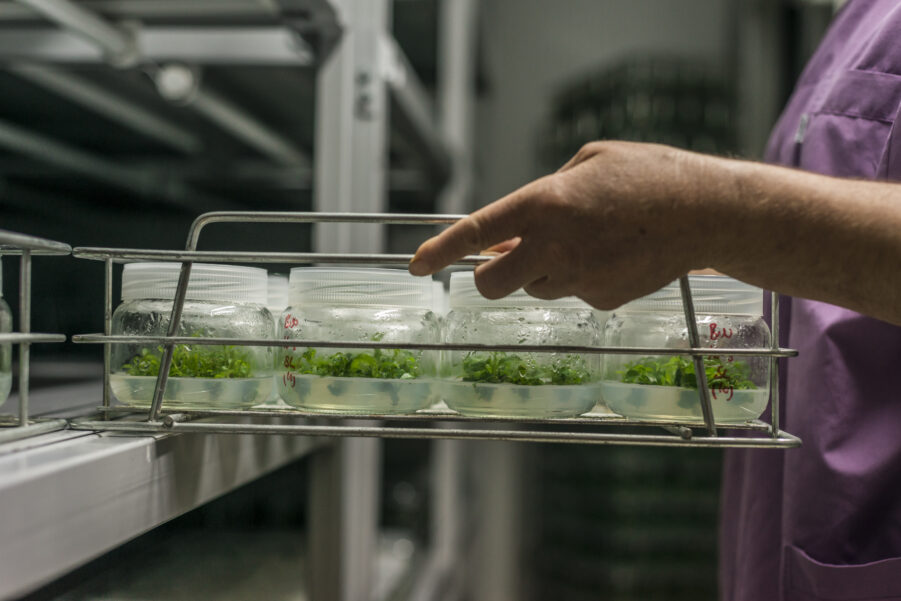
- How Micropropagation Works in SA Grow Environments
- Why Tissue Culture is Reshaping Cannabis Propagation in South Africa
Quick Answer
Cannabis tissue culture allows growers in South Africa to regenerate clean, healthy, pathogen-free plantlets in a sterile, controlled environment. Through micropropagation, cultivators can reset genetic drift, preserve elite cultivars, and scale consistent batches at low risk. For nurseries, breeders, and private growers, Cannabis Tissue Culture South Africa offers the most reliable long-term method for protecting and multiplying valuable genetics.
Understanding Cannabis Tissue Culture South Africa
Cannabis Tissue Culture South Africa is becoming essential for growers who want consistency, clean stock, and long-term genetic preservation. Instead of relying solely on traditional mother rooms – which naturally decline, attract pests, and accumulate pathogens – tissue culture stores and regenerates plant material in aseptic, controlled laboratory conditions.
Growers across Gauteng, the Western Cape, and KwaZulu-Natal are turning to lab-based propagation because it eliminates many common challenges in the South African growing environment, including:
- Powdery mildew outbreaks
- Viroid contamination
- Environmental fluctuations
- Mother-plant fatigue
- Uneven clone batches
A 2021 peer-reviewed study published by the National Center for Biotechnology Information confirms that micropropagation resets plant health, improves reliability, and encourages consistent shoot formation
South African growers must also consider compliance. The Cannabis for Private Purposes Act (2024) governs private cultivation and propagation.
Additionally, all customer interactions, genetic storage agreements, and personal information handling must follow the Protection of Personal Information Act (POPIA)
For growers who want lawful, private-use aligned propagation supported by clean data practices, tissue culture provides a stable, compliant path forward.
How Micropropagation Works in SA Grow Environments
The process of tissue culture is technical, but easy to understand when broken down into simple stages. Every step is designed to maintain sterility, preserve genetics, and encourage rapid multiplication.
1. Selection of Elite Plant Material
Propagation begins with carefully chosen genetics sourced from trusted breeders. Many SA growers protect imported and local elite cuts by selecting strong mother stock from:
These cultivars are often irreplaceable, which is why micropropagation becomes a vital safeguard.
2. Sterilisation and Decontamination
Explant samples are disinfected to remove fungi, bacteria, spores, and invisible contaminants. This step is crucial in the South African context, where environmental variation and facility-to-facility differences increase infection risks.
3. Multiplication Through Hormone-Balanced Media
The explant is placed into a sterile nutrient medium containing plant-specific hormones that encourage shoot and root development. Plant Cell Technology outlines how these hormone balances control regeneration and guarantee healthy, uniform plantlets.
4. Rooting, Hardening, and Acclimatisation
Once shoots form, the regenerated plants undergo rooting and gradual acclimatisation to real-world conditions. After this, they perform like any standard clone – but with far greater uniformity and fewer risks.
These steps form the backbone of reliable Cannabis Tissue Culture South Africa, creating clean, vigorous plantlets ready for scaling.
Why Tissue Culture Is Reshaping Cannabis Propagation in South Africa
South Africa’s clone market is growing quickly, but traditional cuttings come with limitations:
- Mother fatigue
- Pathogen buildup
- Inconsistent phenotypes
- High operational costs
- Slow production cycles
Tissue culture removes these limitations by offering:
- Pathogen-free starting material
- Long-term storage of elite cultivars
- Rapid multiplication
- Reduced space requirements
- Stable, repeatable batches
Juicy Clones supports this shift with structured sourcing, verified genetics, and breeder partnerships showcased through:
- Our Breeders
- Educational guides in Our Blog
- Deep-dive how-to articles like Cloning Cannabis 101
- Step-based tutorials like the Cloning Cannabis Step by Step Guide
This level of structured support is crucial for growers upgrading to professional micropropagation workflows.
The Benefits of Cannabis Tissue Culture South Africa for Serious Growers
Cannabis Tissue Culture South Africa is rapidly becoming the preferred method for growers who want clean, reliable, and scalable plant material. Traditional cloning has value, but it cannot match the control, precision, and long-term stability of micropropagation. Below are the benefits that matter most to South African nurseries, breeders, and private growers.
Pathogen Elimination and True Genetic Reset
One of the greatest advantages of Cannabis Tissue Culture South Africa is its ability to reset plant health entirely. Traditional mothers weaken over time and accumulate stress and hidden pathogens – especially viroids and powdery mildew spores, which are common across indoor and greenhouse environments in Gauteng and the Western Cape.
Micropropagation regenerates plantlets from sterilised tissue, restoring the original genetic expression selected by the breeder. This is why elite cultivars sourced through:
are often preserved through tissue culture before large-scale rollout.
Consistent Phenotype Expression and Predictability
South African growers consistently report uneven batches when relying solely on traditional cuttings. Micropropagated plantlets deliver uniform structure, growth behaviour, and canopy formation – vital for nurseries supplying ongoing batches and growers planning multi-room cultivation cycles.
This predictability allows cultivators across Durban, Johannesburg, Cape Town, and Gqeberha to run consistent schedules without unexpected variation.
Long-Term Cultivar Preservation (Genetic Banking)
Losing an original mother plant can end years of selective work. Tissue culture prevents this loss entirely.
Elite cultivars can be:
- Stored in cold-room environments
- Preserved for years with minimal maintenance
- Quickly regenerated when needed
This makes tissue culture the safest way for breeders and nurseries to protect their top cultivars.
Space & Cost Efficiency for Nurseries
Traditional mother rooms require:
- Large lighting setups
- Temperature control
- High nutrient costs
- Labour for constant pruning
By contrast, tissue culture requires a fraction of the space and labour. Once genetics are stabilised, nurseries scale clean stock without the burden of oversized mother rooms.
Traditional Cloning vs Cannabis Tissue Culture South Africa
| Factor | Traditional Cutting | Tissue Culture Microclone |
|---|---|---|
| Disease risk | High | Extremely low |
| Genetic drift | Common | Reset to original expression |
| Storage lifespan | Months | Years |
| Scaling potential | Moderate | Extremely high |
| Space required | Large | Minimal |
| Batch consistency | Variable | Highly uniform |
| Cost efficiency | Decreases with scale | Increases with scale |
This table shows exactly why micropropagation is becoming the backbone of reliable clone supply chains across South Africa.
Regulation, Compliance & Safe Practice in Micropropagation
Propagation remains legal in South Africa under the Cannabis for Private Purposes Act (2024)
The Act permits:
- Private cultivation
- Private possession
- Private propagation, including tissue culture
Growers and nurseries using tissue culture must ensure distribution and communication remains within private-use legal guidelines.
Alongside legal constraints, responsible growers must handle any customer information or storage agreements under the Protection of Personal Information Act (POPIA)
This includes:
- Handling client names, addresses and order details securely
- Maintaining confidentiality around cultivar storage
- Clear consent when managing genetic preservation or tissue samples
External Research Supporting Tissue Culture’s Benefits
Two authoritative references confirm the scientific value of cannabis micropropagation:
1. National Center for Biotechnology Information (NCBI)
A peer-reviewed study highlighting reliable shoot multiplication and disease reduction:
https://pmc.ncbi.nlm.nih.gov/articles/PMC7835777/
2. Plant Cell Technology
A detailed breakdown of hormone-controlled growth stages used in micropropagation:
https://plantcelltechnology.com/blogs/blog/bloghow-to-tissue-culture-cannabis#:~:text=The%20tissue%20culture%20of%20Cannabis…
These sources strengthen the scientific credibility of micropropagation workflows used by many South African nurseries.
Competitor Gaps in the South African Clone Landscape
Without naming or criticising brands, key gaps in competing clone services include:
1. Limited Access to Clean, Pathogen-Controlled Stock
Most nurseries still rely exclusively on traditional mothers, increasing the likelihood of viroid-infected or weakened cuttings.
2. No Long-Term Genetic Preservation
Competitors often lack proper genetic banking, leading to cultivar loss and inconsistent seasonal batches.
3. Slower Scaling Capacity
Without tissue culture, nurseries cannot rapidly expand cultivar availability to meet SA demand.
Juicy Clones overcomes these barriers with verified breeder partnerships, clean-stock handling, and structured sourcing showcased through:
Our Breeders and educational resources in Our Blog.
Tissue Culture Starter Kits and Tools for South African Growers
As interest in Cannabis Tissue Culture South Africa grows, many cultivators want to explore micropropagation at home before committing to professional lab partnerships. While home-based setups cannot achieve the sterility of commercial environments, they provide valuable learning experiences.
What Comes in a Beginner Tissue Culture Kit?
Entry-level tissue culture kits typically include:
- Sterile agar growth medium
- Nutrient salts and hormone blends
- Scalpel, forceps, alcohol wipes
- Clear sterile vessels
- pH testing tools
- Instructions on creating callus growth
In South Africa, introductory kits range between R450–R1,200, while semi-professional tools such as pressure cookers, sterile jars, and small laminar flow tools range from R2,000–R8,500 depending on local supplier pricing.
Growers should note that while these kits offer insight into the process, reliable long-term genetic preservation and high-volume scaling are best executed in controlled laboratory spaces.
How South African Growers Can Start Using Micropropagation Today
Whether you operate a private indoor room in Gauteng or a small nursery in the Western Cape, you can integrate micropropagation into your workflow with the following steps.
1. Begin With Verified Elite Genetics
Successful tissue culture starts with high-quality source material. Many growers begin by sourcing strong mother material from Juicy Clones via:
These cultivars are ideal candidates for long-term preservation because they represent the cleanest, most reliably expressed phenotypes.
2. Work With a Specialist Tissue Culture Facility
Most growers begin their tissue culture journey by partnering with a professional lab that handles:
- Explant sterilisation
- Pathogen reduction
- Multiplication stages
- Cold-room storage
- Regeneration on demand
This ensures the cultivar’s identity, purity, and longevity remain intact.
3. Build a Personal “Genetic Vault”
High-value cultivars deserve protection. Creating a micropropagation vault of 3–10 elite cultivars ensures your best genetics remain available year after year — even if environmental challenges, pests, or facility changes occur.
4. Use Microplants to Scale Faster
Once your cultivars are stored and stabilised, micropropagation lets nurseries expand elite cultivars quickly without overreliance on mother rooms. This approach is increasingly popular in Johannesburg, Durban, and Cape Town, where growers need consistent workflow planning.
Why Cannabis Tissue Culture South Africa Is Becoming a National Standard
Micropropagation is no longer reserved for large facilities. The pressure for clean, pathogen-controlled stock is pushing growers across provinces to adopt the technique.
Gauteng
Growers in Johannesburg and Pretoria rely on micropropagation to maintain consistency across multiple indoor rooms where environmental changes are common.
Western Cape
Cape Town’s humidity leads to more pathogen challenges; tissue culture prevents contamination before it happens.
KwaZulu-Natal
Durban growers benefit from micropropagated stock due to high humidity and temperature swings.
Eastern Cape, Free State & North West
These regions increasingly rely on micropropagation to secure reliable genetics without maintaining large mother operations.
Across all regions, educational material in Our Blog and breeder transparency in Our Breeders help growers make informed decisions about long-term genetic management.
Juicy Clones’ Key Differentiators in the Tissue Culture Landscape
While most nurseries still use traditional cuttings alone, Juicy Clones stands out in three major ways:
1. Authenticated Breeder Network
Through direct partnerships with premium local and international breeders, Juicy Clones provides reliable, verified cultivars that are ideal for long-term tissue culture preservation.
2. Clean Stock, Transparency & Quality Assurance
Every cultivar is sourced, assessed, and delivered with a focus on plant vigour, lineage accuracy, and consistent expression.
3. Education, Support & Grower Guidance
Through structured content such as:
growers can build long-term confidence in their propagation practices.
These differentiators ensure that growers receive not just genetics – but guidance, reliability, and genuinely clean starting material.
FAQ: Cannabis Tissue Culture Explained
1. Is tissue culture legal in South Africa?
Yes. Micropropagation is permitted under the Cannabis for Private Purposes Act (2024) provided all activities remain within private-use limits and no unlawful distribution is implied.
2. Do tissue culture plants grow differently?
Micropropagated plantlets perform like ordinary clones once acclimatised. The only difference is that they start clean, pathogen-free, and more uniform, making them ideal for nurseries and multi-room growers.
3. Can hobbyists try tissue culture at home?
Yes, using basic kits. However, South African home environments rarely meet the sterility of professional labs, so home users normally use tissue culture for experimentation rather than long-term genetic banking.
4. How long can cultivars be preserved?
Years. When stored correctly, tissue culture preserves valuable cultivars far longer than living mother plants – one reason growers use the method for imported lines like those from Our Imported Clones.
Why Cannabis Tissue Culture South Africa Is the Future of Clean, Scalable Propagation
Cannabis Tissue Culture South Africa is reshaping how growers think about long-term genetic stability, pathogen control, and scalable clone production. As the local cultivation landscape continues to mature, nurseries, breeders, and private growers increasingly demand propagation solutions that eliminate uncertainty and preserve cultivar integrity.
Traditional cloning will always have a place, but the future belongs to growers who prioritise clean, consistent, well-preserved genetics. Tissue culture offers the technology to reset plant health, store elite cultivars safely, and scale production without expanding mother rooms or risking contamination. For South Africans growing indoors in Johannesburg, maintaining greenhouses in the Western Cape, or managing small-batch grows in Durban, micropropagation offers unmatched reliability.
Juicy Clones supports this evolution by supplying verified, premium genetics from trusted breeders via:
and by empowering growers with structured guidance through:
With verified breeder partnerships, clean-stock handling, and transparent sourcing, Juicy Clones gives South African cultivators access to genetics that are ready for long-term preservation and micropropagation workflows.
If you’re ready to future-proof your genetics and unlock more reliable propagation cycles, the next step is simple.
Get your clones today!
Choose from South Africa’s cleanest, most reliable cultivars and start building your long-term genetic vault.
Contact us for more information!
If you want support choosing cultivars or want to understand how tissue culture fits into your grow strategy, the Juicy Clones team is here to help.
Last updated: October 2025