
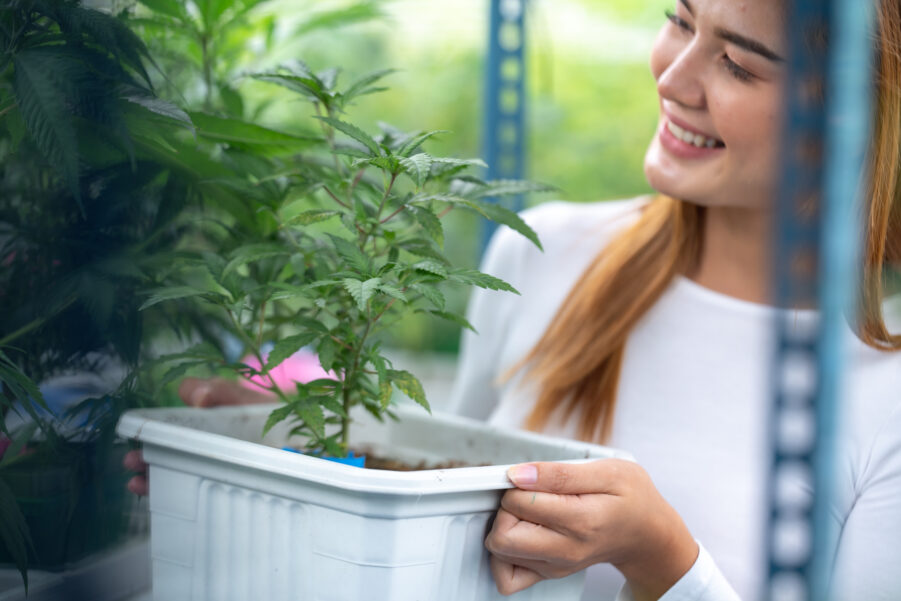
Cannabis Clones 2026 is the fastest way for South African home growers to get predictable plants from proven genetics – if you source legally and choose healthy cuts. This guide explains what clones are, what SA law says about private cultivation, and how to avoid weak or risky clones.
Topics of Conversation
Cannabis Clones 2026: Legality in South Africa
Let’s get the stressful part out the way: South African growers want legal clarity, not vibes.
South Africa’s Cannabis for Private Purposes Act, 7 of 2024 creates a framework that recognises an adult’s right to use, possess, and cultivate cannabis in private, while still prohibiting dealing (commercial trade) in cannabis.
What this means in practical, home-grow terms:
- Private cultivation by adults is recognised in law (with rules/limits set out in the Act and related regulations).
- “Dealing” remains prohibited – so anything that looks like open commercial distribution is where people get into trouble.
Important: This article is general information, not legal advice. If you’re unsure about your situation (especially around transport, gifting, or quantities), read the Act directly and consider formal legal guidance.
If you want to stay updated with SA-focused clone and genetics context, follow: Juicy Clones News
What Cannabis Clones Are (and why home growers like them)
A cannabis clone is a cutting taken from a “mother” plant and rooted so it becomes a new plant with the same genetics. In plain language: it’s the same plant, restarted.
Why South African home growers love clones:
- Predictability: If the cut is legit, you know what you’re growing (structure, flowering behaviour, typical terp profile tendencies).
- Speed: You skip germination and early seedling uncertainty – clones can shave meaningful time off the grow cycle.
- Consistency across runs: Great for dialling in your tent or your outdoor season because you’re not testing a new phenotype every time.
Why clones sometimes disappoint:
- Weak rooting / poor hygiene: A clone that isn’t properly rooted or has been stressed can stall hard.
- Pests and disease risk: Bad handling spreads problems fast (especially in indoor spaces).
- Mystery genetics: If the seller can’t tell you what it is – or keeps changing the story – you’re gambling.
For a sense of what reputable sourcing looks like (and to browse available options), start here: Shop Our Clones
Clone vs Seed Cannabis: Which is Better in 2026?
This isn’t “clones are always better” or “seeds are always safer.” It depends on your goal.
Choose clones if you want:
- A faster start and more predictable structure
- A specific cultivar/cut (especially if you’re chasing a known profile)
- Consistency run after run
Choose seeds if you want:
- To hunt new phenotypes (the fun/chaos option)
- Easier storage and transport in general (practically speaking)
- A wider range of genetics without relying on clone availability
One bullet list (your quick decision filter)
- If your priority is predictable results → clones
- If your priority is exploring variety → seeds
- If you’re growing indoors and hate surprises → clones
- If you’re growing outdoors and can’t control everything → strong genetics (clones or seeds), but timing matters
- If you’re new and overwhelmed → clones can simplify the learning curve (if sourced well)
If you specifically want premium, curated lines, this is where many growers start looking: Imported Clones
Cannabis Clone Genetics: How to Choose Reliable Cuts
In 2026, “good genetics” isn’t just a hype word – it’s what decides whether your grow is smooth or a month of problem-solving.
Here’s how to think about cannabis clone genetics like a grown-up:
- Provenance matters: Who bred it? Who kept the mother? How long has that cut been stable?
- Consistency matters: The goal with clones is repeatability – ask for the story behind the cut (not a sales pitch).
- Match genetics to your environment: A cultivar that thrives in a controlled indoor setup might be a headache outdoors (and vice versa).
- Don’t ignore “boring” traits: Vigour, root speed, and resilience are often more valuable than chasing exotic names.
A practical way to reduce guesswork is to buy from a supplier who is transparent about breeder lines and selection. Start here: Our Breeders
Indoor Cannabis Clones vs Outdoor Cannabis Clones in South Africa
Indoor cannabis clones are all about control: stable temps, steady light cycles, and predictable feeding. That’s why indoor growers get the most value from clones – your environment stays consistent, so the genetics can actually “show up” the way they should.
Outdoor cannabis clones can still perform brilliantly in South Africa, but you’re working with seasonal swings (heat spikes, cold snaps, wind, pests). Outdoors, clone success is less about perfection and more about timing and hardening off. If you rush a fresh clone straight into harsh sun and wind, it’ll sulk – or worse.
A simple rule: indoor is easier for consistency; outdoor is easier for scale, but only if you match genetics to your local conditions and the time of year.
Clone Growing South Africa: Step-By-Step Start-Up Checklist
Most clone problems happen in the first 10–14 days. Your job is to reduce stress and let roots do their thing.
Step 1: Quarantine first (seriously)
Even if a clone looks healthy, isolate it from your main grow for a few days. This is how you avoid importing a problem that becomes a full-room issue.
Step 2: Dial the environment before you “push growth”
Clones don’t want intensity on day one. They want stability:
- Gentle light (not “full blast” immediately)
- Mild airflow (not a wind tunnel)
- Consistent temperature and humidity (avoid big daily swings)
Step 3: Watering and feeding (less hero, more routine)
Overwatering is the silent killer of clones. Let the medium breathe. Keep feeding light early on; the goal is root development first, not explosive top growth.
Step 4: Transplant timing
Transplant when the clone is rooted and actively growing- don’t transplant a weak, half-rooted cutting and expect it to “figure it out” in a bigger pot.
Step 5: Hardening off (outdoor growers)
If you’re going outdoors, introduce sun gradually over several days. A clone that thrives indoors can get shocked by full SA sun in a single afternoon.
If you take one thing from this section: Cannabis Clones 2026 success is mostly process – genetics matter, but handling matters just as much.
Avoiding Low-Quality or Illegal Sellers: Red Lags SA Growers Should Know
If your pain point is “I don’t want to get scammed or land in trouble,” you’re not being paranoid – you’re being smart.
Here are common red flags:
- No transparency: vague cultivar names, no breeder info, no consistency in what they claim the clone is.
- Pressure tactics: “Pay now or lose it” vibes, with no clear explanation of sourcing or hygiene.
- Unhealthy plants: droopy cuts, yellowing, mushy stems, pest damage, or clones that look like they’ve been repeatedly stressed.
- Sketchy handling: clones transported with no care for temperature, moisture, or cleanliness.
- Too-good-to-be-true claims: “guaranteed insane yields” or miracle performance promises without context.
The SA legal environment is also part of this: the Cannabis for Private Purposes Act still draws a line around “dealing.” If a seller looks like they’re operating openly as a high-volume commercial dealer, that’s a risk signal – both for quality and for legal exposure. (Read the Act directly for the most accurate wording.)
(gov.za)
FAQ’s
Are cannabis clones better for beginners than seeds?
For many beginners, clones are simpler because they remove the germination step and reduce genetic surprises. The catch is that you need a healthy, properly rooted clone from a trustworthy source. With seeds, you can start clean, but you may get unpredictable traits and you’ll spend more time learning “what this plant wants.” If your goal is predictable results and a smoother learning curve, clones often win – provided you quarantine and keep the early environment stable.
How do I know if a clone is healthy when I receive it?
Look for perky leaves, clean stems, and signs of active growth. A healthy clone shouldn’t smell funky, look slimy, or appear waterlogged. If possible, check for early root development (depending on how it’s supplied) and inspect leaf undersides for pests. Avoid clones that are severely drooping, very pale, or clearly stressed from transport. A short quarantine period protects your main grow if anything looks “off” after day one.
What does “feminized cannabis clones” mean?
A clone taken from a verified female mother plant will also be female, which is why clones are often used to avoid male plants. However, stress can still cause issues in some genetics – so “female” doesn’t automatically mean “problem-proof.” The smarter approach is to focus on stable mother stock, clean handling, and good early conditions. If someone sells “feminized clones” but can’t explain the mother plant or sourcing clearly, treat that as a quality warning.
Can I travel with clones in South Africa?
The Cannabis for Private Purposes Act recognises private use and cultivation, but transport and possession rules still matter, and enforcement realities can be messy. If you’re planning to travel, don’t rely on hearsay – read the Act directly and keep your situation clearly within private-use boundaries. If there’s any uncertainty (especially across provinces or in public spaces), get proper advice rather than “WhatsApp law.”
Predictable Grows Start With Predictable Genetics
The real win with Cannabis Clones 2026 is confidence: you’re not guessing what you planted, you’re refining a process. Choose genetics that match your environment, handle clones gently in the first two weeks, and avoid sellers who can’t prove what they’re offering. Do that, and your grows become repeatable – indoors or outdoors – without the constant drama.
Last updated: January 2026
Comments 1
Pingback: Best Cannabis Clones South Africa 2026 - Juicy Clones